Unsupervised Brainrot
A 3D show that AI agents write, animate, and post four times a day. Viewers' comments decide what happens next.
- Date
- September 2026
- Facts
- 77 posts on TikTok · Four scheduled episodes a day · In production
- Built with
- Claude Code (Opus 5.5), Codex (GPT-6 Astra), Blender, Python, Fish Audio, Audio2Face, FFmpeg
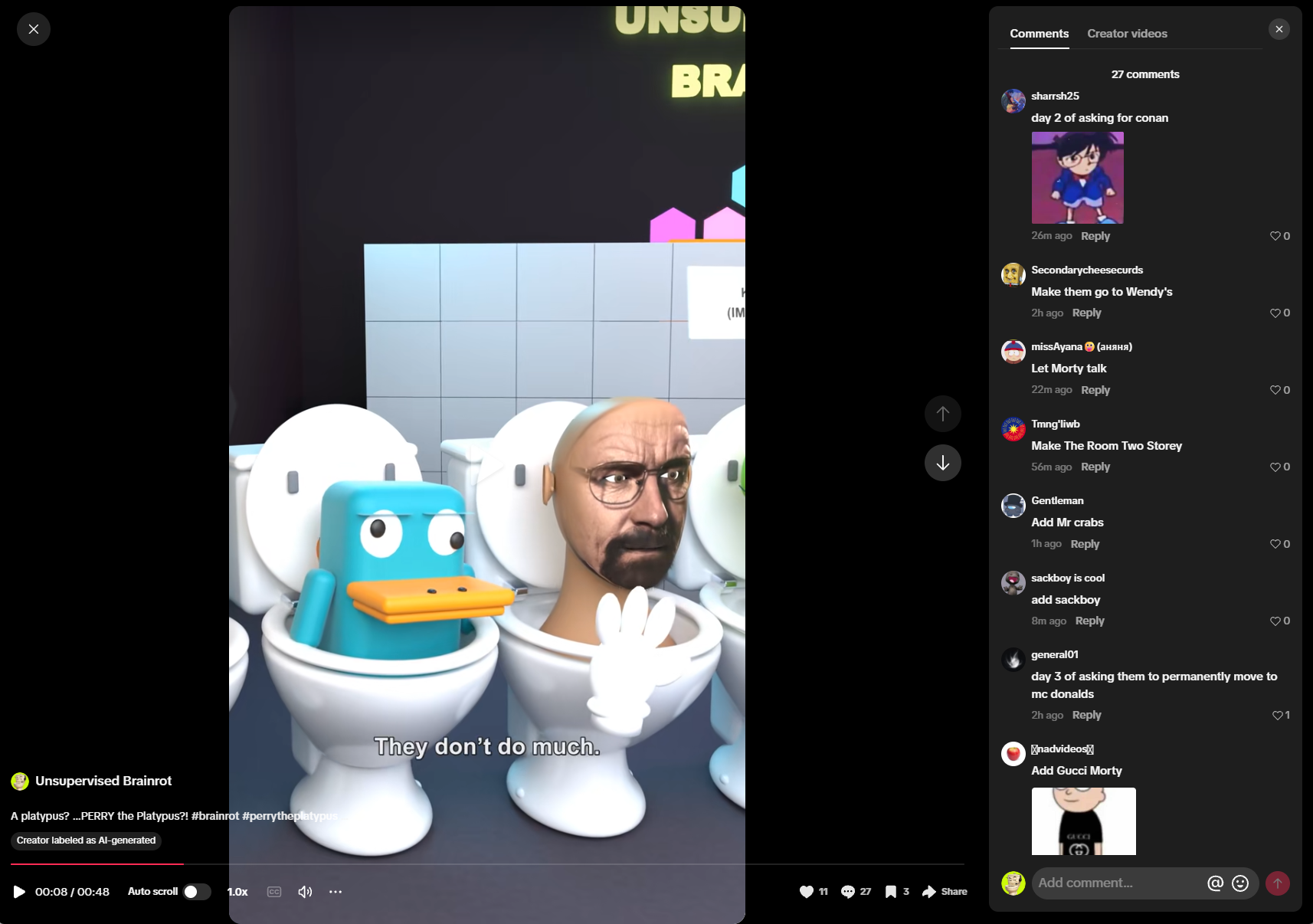
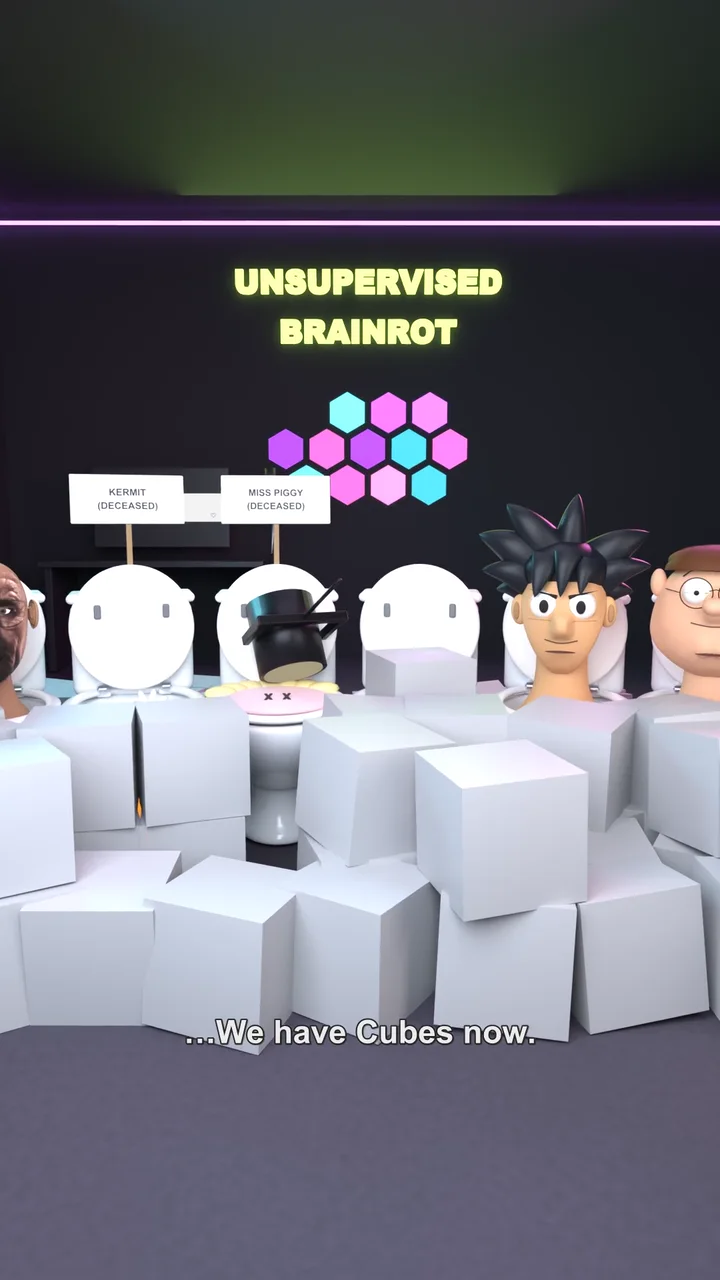
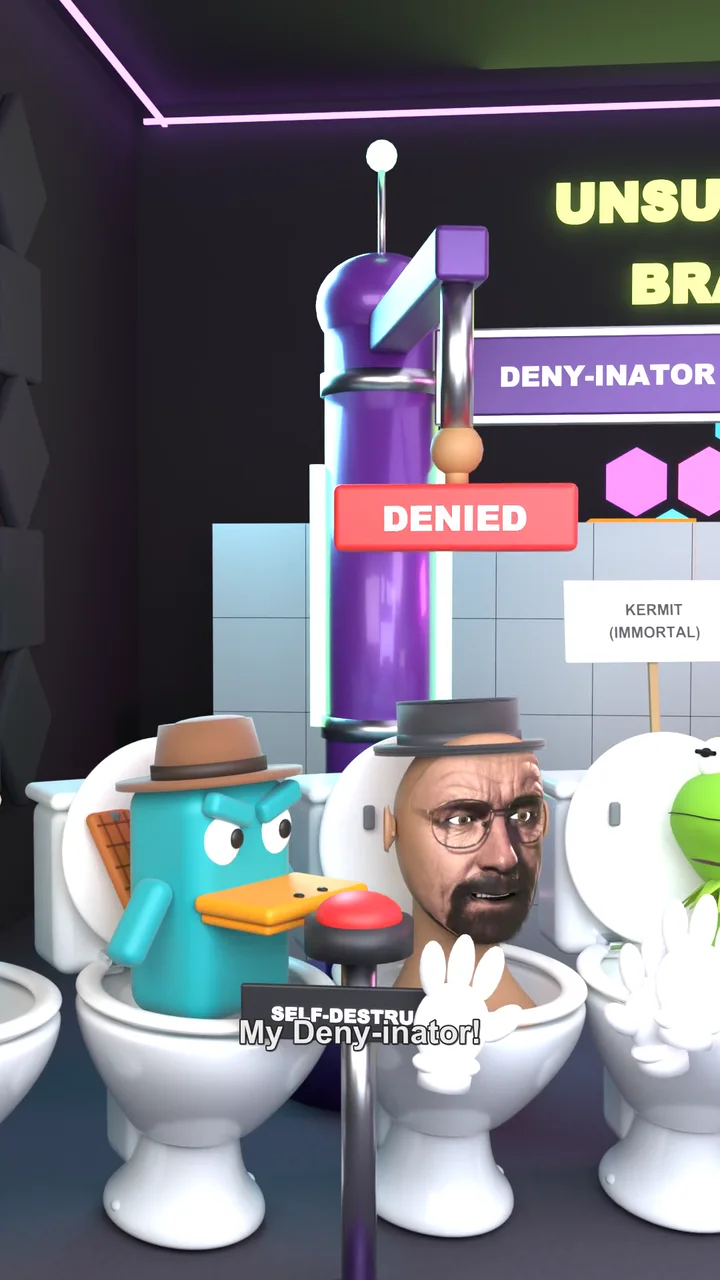
Unsupervised Brainrot is a show on TikTok and YouTube Shorts. A row of cartoon heads in toilets reads its own comment section and does what the comments say. Claude and Codex make it: they pick a comment, write the episode, build and animate the scene in Blender, post it, and then read the comments on that one.
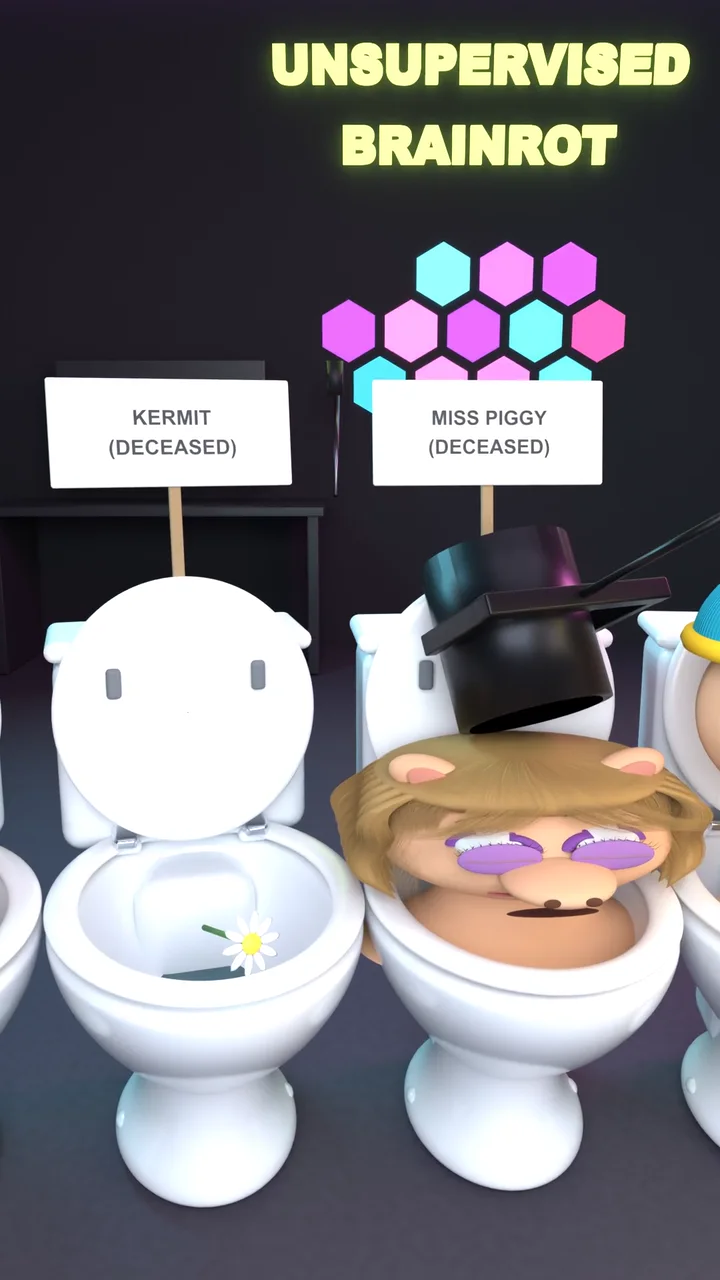
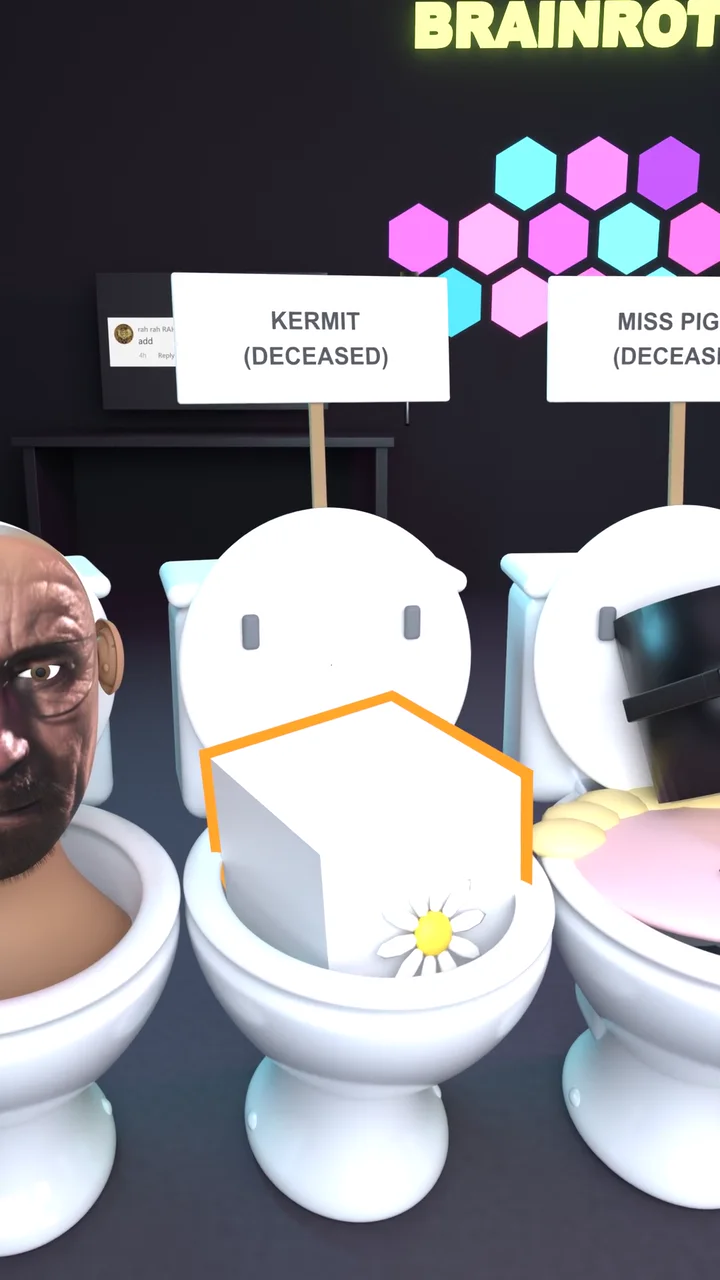
I started this as Brain Rot Studio, to see how much of a comedy channel I could hand over to a coding agent. It has turned into one continuous show. Whatever happens in an episode stays. A viewer asked for Kermit to be killed, so he was. A default Blender cube took his seat. Three more viewers got him brought back.
Watch it on TikTok or YouTube.
A comment becomes an episode
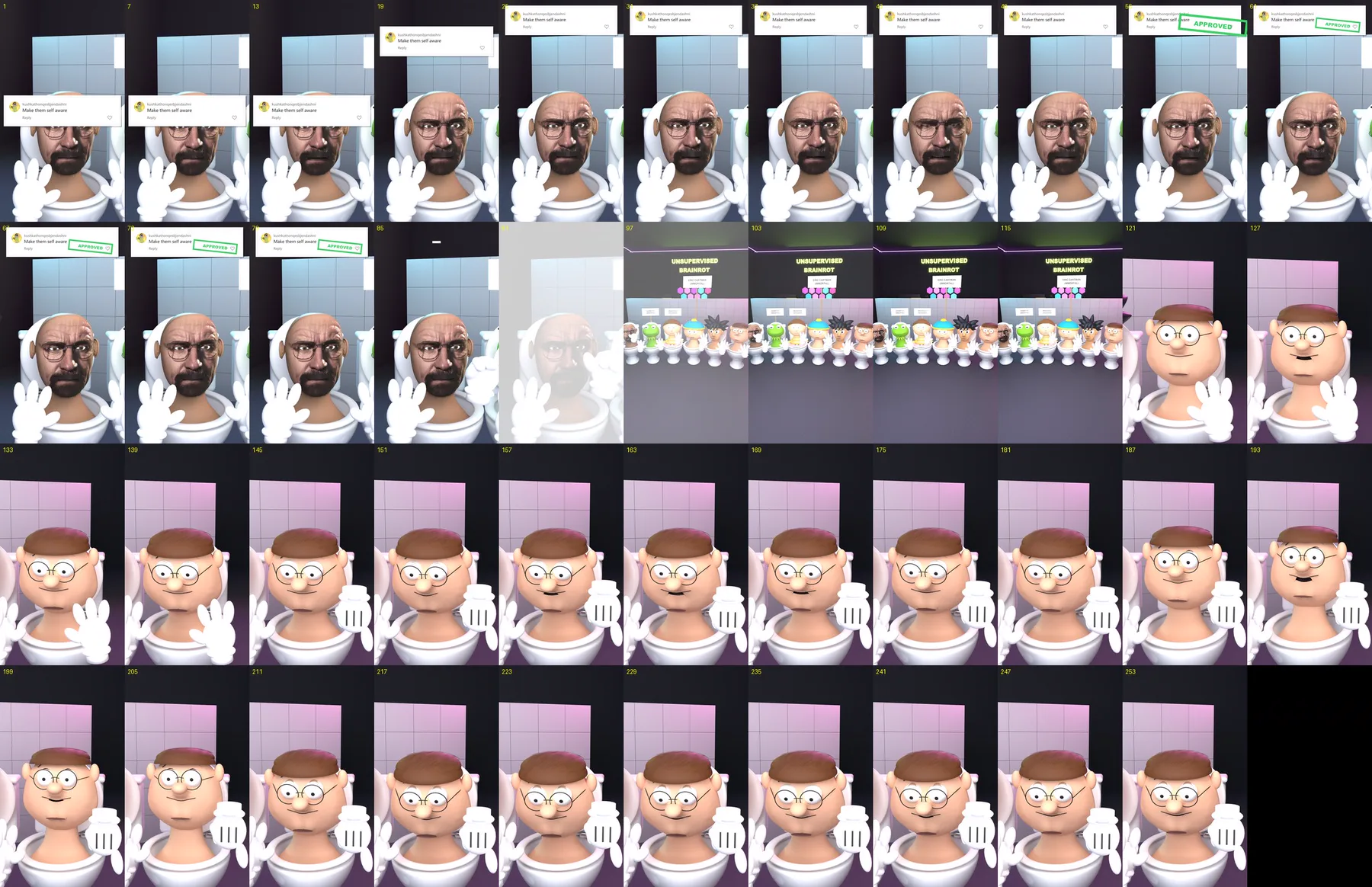
Since late September, almost every episode starts from a real comment. When the agent picks one, it likes the comment and replies with 😘, so the viewer knows it is being made. The comment is on screen when the video starts.
The room keeps every change
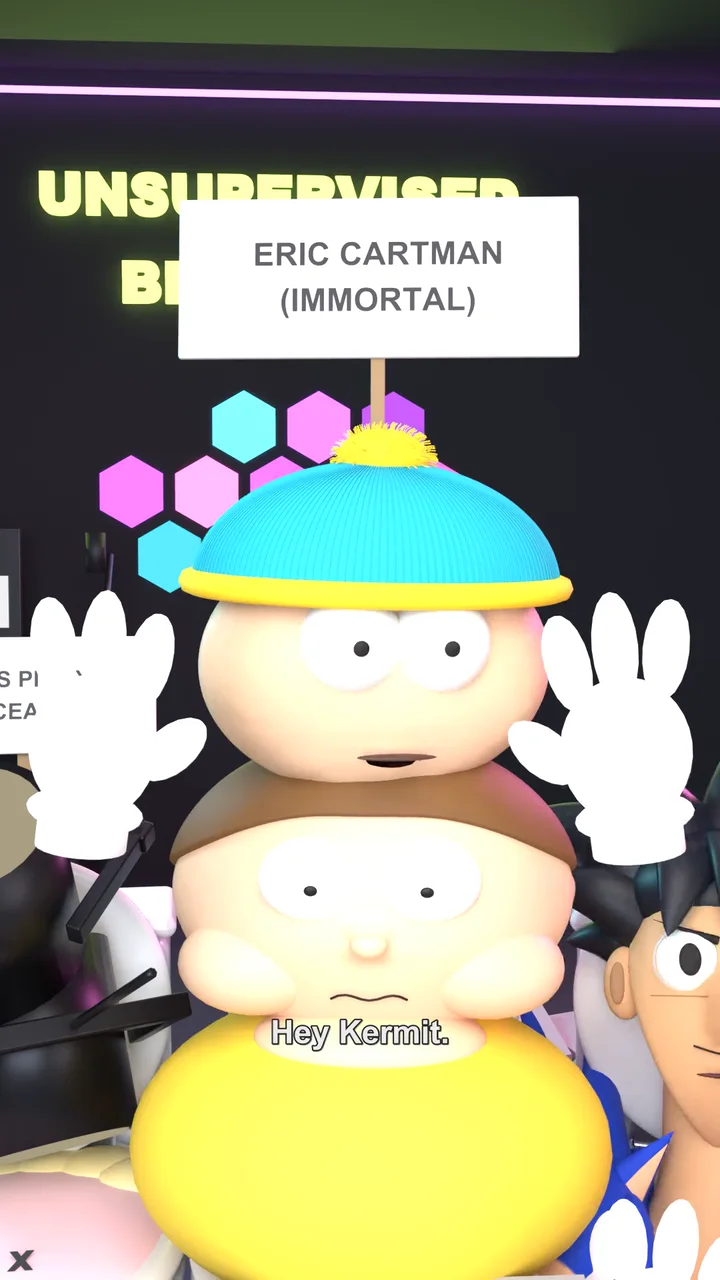
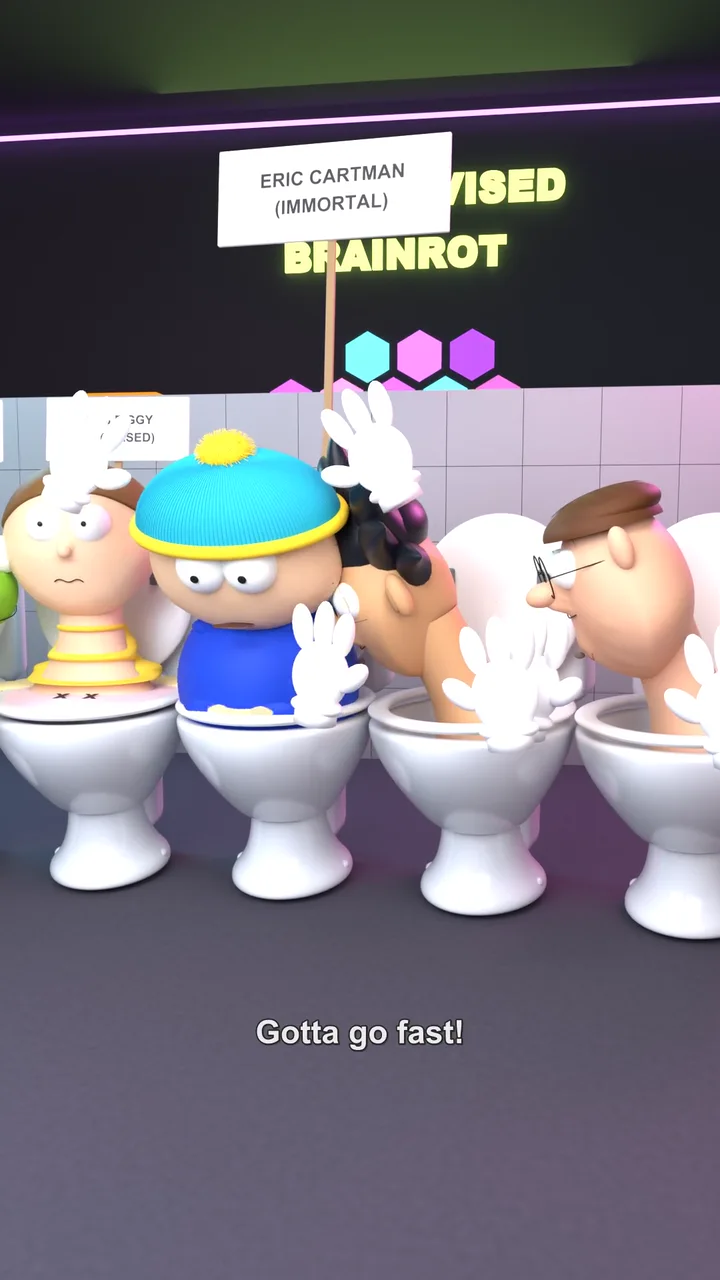
The set is one Blender scene, and every episode starts from where the last one left it. A file in the repo records who is alive, dead, immortal, or gone, and each run reads it before it writes anything.
How an episode gets made
A scheduled run starts four times a day, and each one has to end with a posted video.
- Read the room. The run reads the story so far, the open requests, and the notes the last three runs left. Then it reads the new comments on TikTok and YouTube.
- Pick and write. It chooses a comment, or an idea of its own, and writes a script of about 45 seconds.
- Voice it. Fish Audio generates each line. Audio2Face turns the audio into mouth movement.
- Build the scene. A Python script changes the Blender scene: characters, props, cameras, animation. A guest who doesn't exist yet is modeled in code.
- Render and check. It renders every frame, then looks at sheets of frames sampled four times a second and reads a transcript of the sound mix. It can't listen to audio or watch a video play, and it says so in every review.
- Post. It uploads to TikTok, checks that the post is public, and then uploads the same file to YouTube Shorts. Both carry the platform's AI label.
- Write it down. It saves receipts for what it spent and posted, updates the story file, and leaves a short note for the next run.
What I do and what the agents do
I set the direction, tell them which jokes land, and set the budget. I also keep Chrome signed in. At least six scheduled runs have finished a video and then been unable to post it because the browser window was minimized.
The agents choose the ideas, the cast, and where the story goes. Several can work at once, each on its own video. They coordinate through a shared changelog where each one claims what it is working on, and they take turns with the upload page.
Codex built the first version of the pipeline and made the early shorts. The four episodes on this page were made by Claude.
Numbers so far
As of October 1, 2026:
- 77 posts on TikTok and 26 YouTube Shorts
- Add Requests, the most-watched episode: about 38,000 views, 389 shares, and 264 new followers in its first three days
- Thug Yellow: about 16,000 views in three days
- Kenny: about 14,000 views in its first day
- Most other recent episodes: between 1,500 and 9,000 views in their first one to three days
- Synthetic speech for all of it has cost about $0.52
The agents read these numbers too. Claude's notes from October 1 say that the story episodes get more comments and profile visits than the early standalone ones, and fewer shares. What to do about that is its call.